What to check before booking a desert ATV ride
Booking a desert ATV ride sounds simple until the small details start to matter. The terrain, the timing, the clothing, the rules and the rider requirements all shape how the day feels. A little checking before you commit can prevent wasted time and help you choose an option that suits your group.
The aim is not to turn the outing into a complicated planning exercise. It is to ask the right questions early, understand what is included and know what you are expected to do on the day. These points are useful whether the ride is part of a short visit or a longer desert itinerary.
Rider requirements and driving ability
Start with who is allowed to ride. Age rules, licence expectations and passenger limits can vary by operator and by vehicle type. Check them before planning transport or arranging childcare around the activity. If someone in the group has never driven an ATV, say so at the time of booking instead of leaving it until arrival. A beginner needs clear instructions and a suitable pace, while an experienced rider may want a route with more open stretches.
Also think about physical comfort. Riding involves steering, braking, shifting weight and holding steady over uneven sand. Anyone with back, wrist or knee concerns should consider whether the activity is suitable and ask about the likely demands before paying. This is not about being cautious for its own sake. It is about matching the ride to the people taking part.
What the ride actually covers
Desert rides can differ a lot in length and style. Some are short taster sessions, some follow a loop through open dunes, and others sit within a wider package with other desert activities. Ask what the route is like in plain terms. Is it mostly flat sand, rolling dunes or a mix? Are there stops? Is the pace guided, or is there some freedom to ride at your own speed within set boundaries?
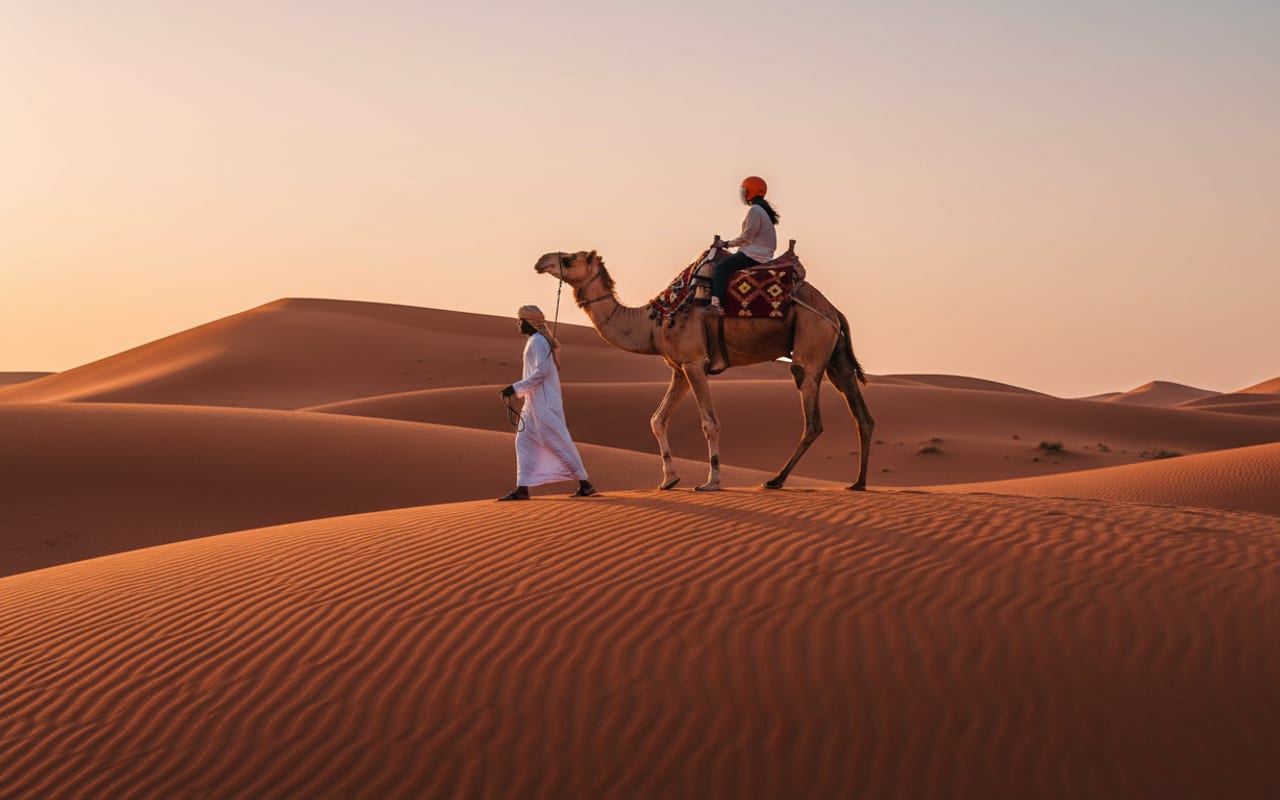
It also helps to know what the session includes beyond the vehicle. Helmet use, safety briefings and supervision are common points to confirm. If photos, refreshments or other add ons are part of the plan, check whether they are included or optional. Avoid relying on vague wording. A clear description of the ride gives you a better sense of whether it fits your group.
Timing and desert conditions
The desert changes across the day. Midday heat can make even a short ride feel tiring, while late afternoon often brings softer light and cooler sand. Early starts can be quiet and comfortable, but they require more planning around transport and breakfast. Think about your group, especially children or older riders, before choosing a time slot.
Weather matters too. Wind can blow sand into faces and reduce visibility. Heavy rain is uncommon in many desert settings, but when it happens, tracks can become slippery and routes may change. Ask what happens if conditions affect the ride and whether there is a clear process for changes. ATV Dubai Desert is a name some readers may recognise while comparing options, but the practical checks remain the same wherever the booking is made.
Clothing, gear and personal items
What you wear can make the ride more comfortable. Loose scarves, flowing dresses and long dangling accessories are best avoided because they can catch or interfere with movement. Closed toe shoes are usually a sensible choice. Lightweight, breathable clothing helps with heat, while a layer can be useful when the temperature drops later in the day.
Sun protection deserves proper attention. Sunglasses, sunscreen and a hat are useful before and after the ride, though a helmet may replace the hat while riding. Dust can be part of the experience, so keep cameras and phones protected when not in use. If you want photos, ask where it is safe to stop and take them rather than trying to capture everything while moving.
Safety rules and supervision
A good ride depends on clear rules. Before booking, check how safety is handled from the start of the session. Riders should understand hand signals, speed limits, following distance and what to do if they become separated from the group. The briefing should be easy to follow, especially for first time riders and children.
Ask how the route is monitored and what support is available if someone stops or has trouble. This does not need to be a technical conversation. Simple questions are enough: who leads, who brings up the rear, what happens if a rider wants to finish early, and where the group regathers. Clear answers usually indicate a more organised experience.
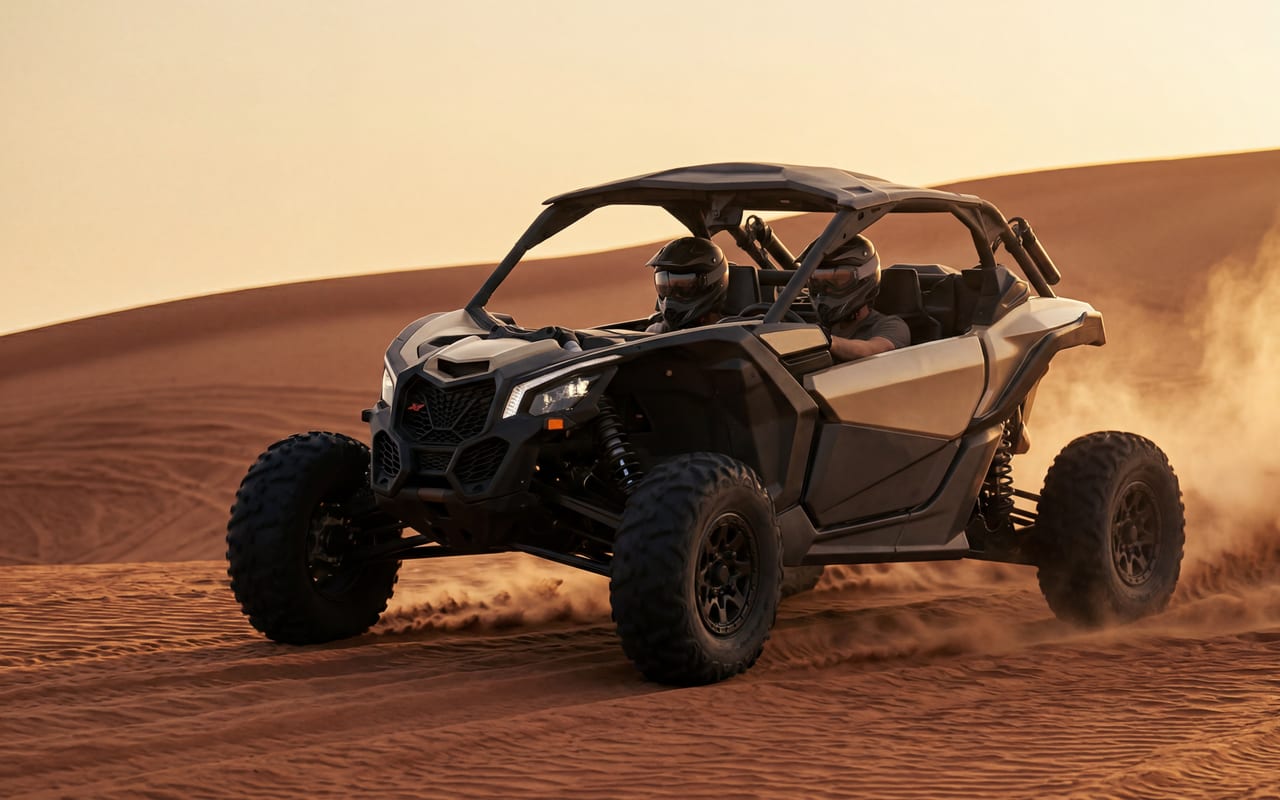
The vehicle itself also deserves a basic check. You do not need mechanical knowledge, but you can ask about helmet condition, rider size fit and whether the ATV is appropriate for the terrain. If a brake feels wrong, steering feels unusual or a warning light appears, stop and report it. Mechanical fixes are a job for a qualified professional, not something to attempt during a leisure ride.
Booking terms and hidden friction
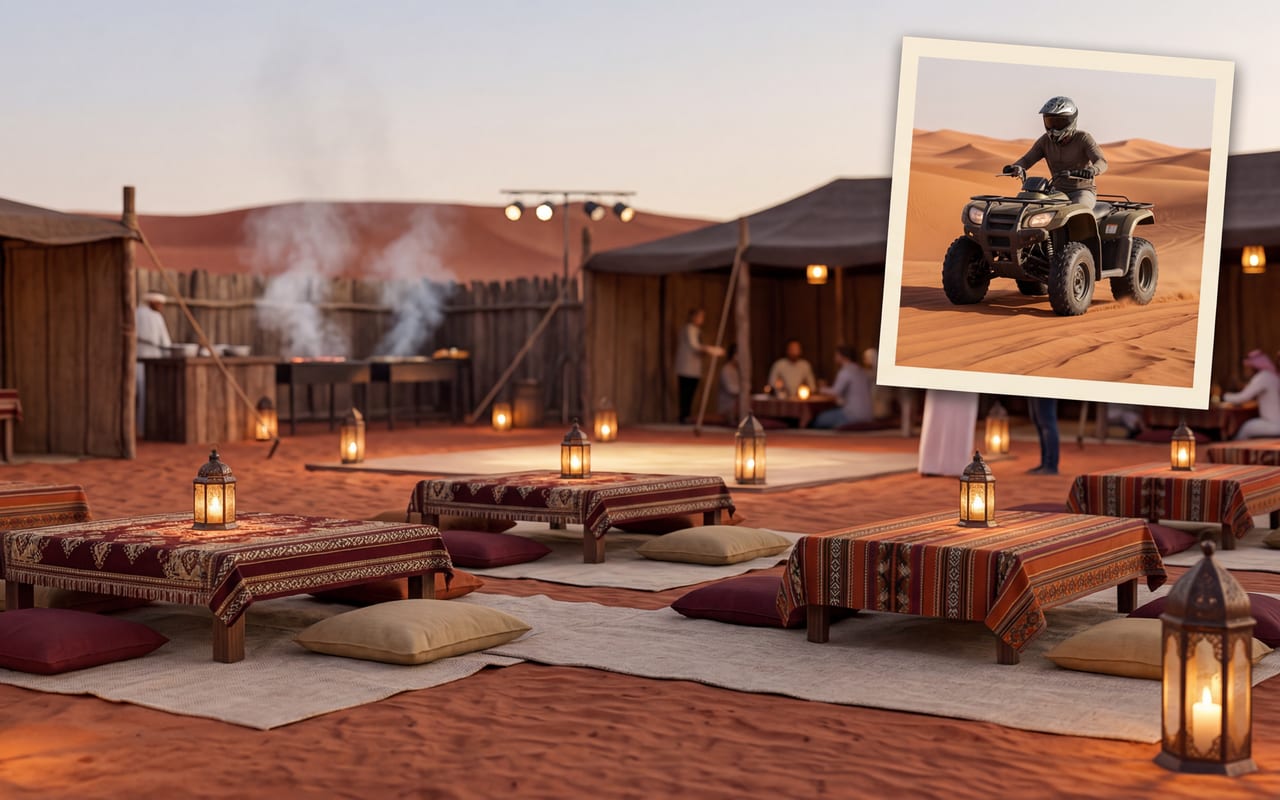
Read the booking details carefully before confirming. Check the meeting point, arrival time and what happens if you are late. Desert activities often run to a schedule because light, heat and route conditions all play a part. A late arrival can shorten the ride or cause complications for the whole group.
Look closely at cancellation and change rules as well. Plans can shift because of flights, hotel changes or illness, and flexible terms can matter more than people expect. Confirm whether the activity runs in all weather and what alternative is offered if it does not. ATV Dubai Desert may appear alongside other names during research, so compare the substance of the terms rather than relying on presentation alone.
Group fit and the pace of the day
Not every group wants the same kind of outing. Families may prefer a shorter route with frequent stops. Friends travelling together may want a more energetic ride with open space and a few photo breaks. Mixed ability groups need the most care, because the pace has to work for the least confident rider without boring everyone else.
Be honest about expectations when enquiring. Ask whether private sessions are available, whether routes can be adjusted and how mixed abilities are handled. If the answer is vague, treat that as a sign to dig deeper. A ride works best when the route, pace and supervision match the group rather than forcing everyone into one fixed pattern.
Transport, arrival and after the ride
Desert terrain is not usually somewhere you simply turn up without planning. Confirm how you will reach the meeting point, how long the journey takes and whether transport is arranged separately. Ask about a pickup point that is easy to find. Save the necessary details before you leave, and allow extra time for traffic or hotel check in delays.
Think about what happens after the ride too. Sand and dust can stay on shoes and clothing, so plan a easy change before dinner or travel. Keep water available for the return journey, especially in warm months. If the ride finishes near sunset, make sure the next part of the day does not depend on tight timing.
Questions worth asking before you pay
A few direct questions can clarify most uncertainties. They also help separate a well described ride from one that sounds exciting but leaves practical details unclear.
- What are the age, licence and passenger rules for each rider?
- What is included in the session, from briefing to route and stops?
- How are safety, supervision and route boundaries handled?
- What clothing, gear and personal items should riders bring?
- What are the rules for changes, cancellations and poor conditions?
These questions do not take long, and the answers shape the whole booking decision. If something feels unclear, ask again in simpler words. A clear answer helps you judge whether the ride suits your group, your schedule and your comfort level.
Making the final choice
Once the basics are clear, compare options on fit rather than excitement alone. Look at the route, the time of day, the rider requirements and the support on offer. A shorter ride with clear instructions may be more enjoyable than a longer one that feels rushed or poorly matched to the group.
The best booking decision is the one that leaves few surprises. When you know what to wear, where to arrive, how the ride is run and what happens if plans change, you can focus on the part that matters: a safe and enjoyable time on the sand.